


Top 5 VR Headsets for Sim Racing

An Introduction to VR Headsets
Virtual reality has advanced rapidly in recent years, with companies such as Meta and Pimax leading the development of some of the most sophisticated headsets on the market. Many sim racing enthusiasts are adopting these headsets to completely immerse themselves in their virtual cockpits. Unlike traditional monitor setups, VR provides a wide field of view, natural depth perception, and the ability to look naturally into mirrors or apexes, replicating the experience of sitting in a real race car. This leap in immersion has positioned VR as more than just a novelty, as professional racecar drivers use virtual reality for serious training purposes.
For sim racing, this technology delivers tangible performance benefits. Depth perception improves braking consistency, peripheral vision enhances spatial awareness, and natural head movements make race craft more intuitive. Combined, these factors create a training environment that closely mirrors the dynamics of real-world driving. However, not all VR headsets are created equal. Differences in resolution, field of view, refresh rate, and optical design have a major impact on clarity, comfort, and performance during long racing sessions. As a result, choosing the right headset is crucial. A device that balances high-resolution displays with wide FOV and stable frame rates can transform a simulator setup from “game-like” to professional-grade training equipment.

Pimax Crystal Light
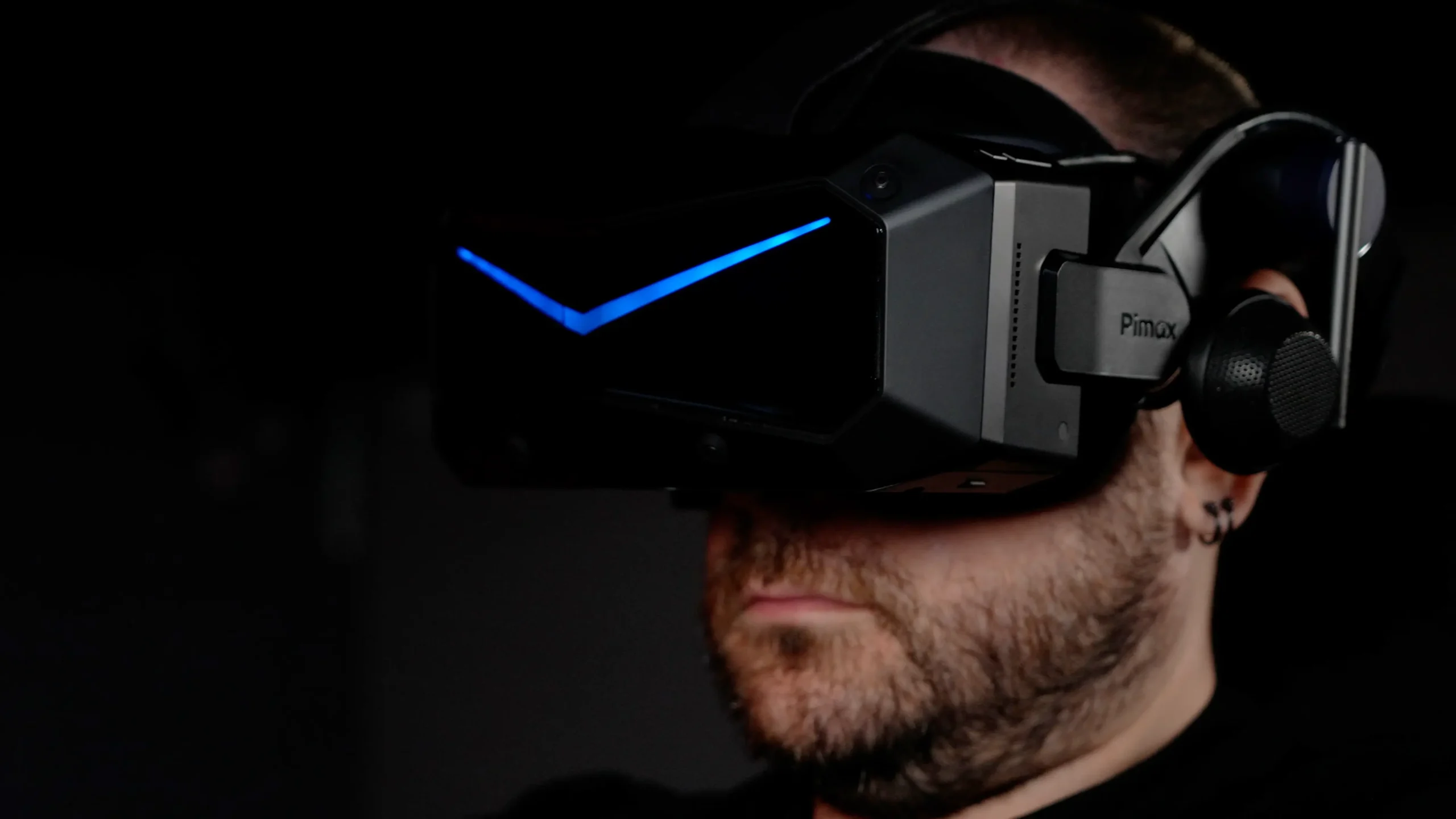
The Pimax Crystal Light is one of the biggest powerhouses in PCVR hardware, engineered specifically for high-fidelity simulation experiences. Each eye is driven by a 2880 × 2880 resolution QLED panel, producing pixel density around 35 pixels per degree; this makes cockpit instruments and trackside details sharp and legible. Beyond resolution, the display employs QLED with optional Mini-LED local dimming that improves contrast and depth in shadows, so it creates a more realistic visual environment compared to standard monitor setups.
The field of view measures roughly 115 degrees horizontally, with diagonal coverage reaching up to 130–140 degrees depending on lens choice. This wide FOV allows drivers to check mirrors and maintain awareness of cars alongside them without distortion. The headset supports refresh rates of 60, 72, 90, and up to 120 Hz, which lets racers tune performance to match their GPU capability. Tracking is handled by 6DoF inside-out sensors, with Lighthouse compatibility available for users who want external base stations. Interpupillary distance can be manually adjusted between 58 and 72 mm to ensure alignment for different users. Fixed foveated rendering reduces GPU load by lowering peripheral detail while maintaining focal sharpness.
In testing with iRacing on a 13th Gen i7 paired with an RTX 4090, the Crystal Light maintained sharp visuals and stable frame rates at 120 Hz. Additionally, reviews consistently note that it is visually stunning, designed for simulation enthusiasts, and capable of long-session comfort when paired with a capable PC. It's our go-to for VR sim racing, and you can purchase one from our website.

Pimax Crystal Super
The Pimax Crystal Super builds on the strengths of the Crystal series with an even higher resolution and improved display technology. Each eye runs at 3840 × 3840, giving you sharper visuals for cockpit details, trackside references, and braking points. The headset is available with QLED panels that refresh up to 120 Hz or micro-OLED panels with deeper contrast at 90 Hz. A wide field of view, roughly 115–130 degrees, helps with natural peripheral vision and mirror checks during racing.
The Crystal Super does require a powerful PC, but the results are impressive for those with the hardware to support it. At Apex Sim Racing, we view Pimax as the best choice for sim racing VR because their headsets are built around the features that matter most to drivers. Between the Crystal Light and the Crystal Super, Pimax headsets provide complete clarity and immersion that makes long sim sessions more realistic and enjoyable.
Varjo VR-3
The Varjo VR-3 is known for delivering some of the sharpest visuals available in virtual reality today. With 2880 × 2720 resolution per eye and custom aspheric lenses, the headset provides remarkable clarity, making cockpit instruments, HUD elements, and distant track markers easier to read than with most market headsets. Its 115-degree FOV is narrower than Pimax models, but the optical precision more than makes up for the reduced coverage.
The VR-3 also incorporates advanced features such as integrated eye tracking and dynamic foveated rendering, which allocate GPU resources more efficiently by prioritizing what the driver is focusing on. While its refresh rate tops out at 90 Hz (lower than many racing-focused headsets), performance remains smooth and consistent when paired with powerful PC hardware. Tracking is handled through external Lighthouse base stations, which offer excellent accuracy but require additional setup compared to inside-out systems.
Where the Varjo VR-3 excels is in professional training and enterprise simulation, where clarity and precision are valued above cost. For hobbyist sim racers, however, its steep price and enterprise focus make it harder to justify. The VR-3 might deliver stunning sharpness, but Pimax headsets remain a more practical balance of immersion, performance, and value for most sim racing enthusiasts.

Valve Index
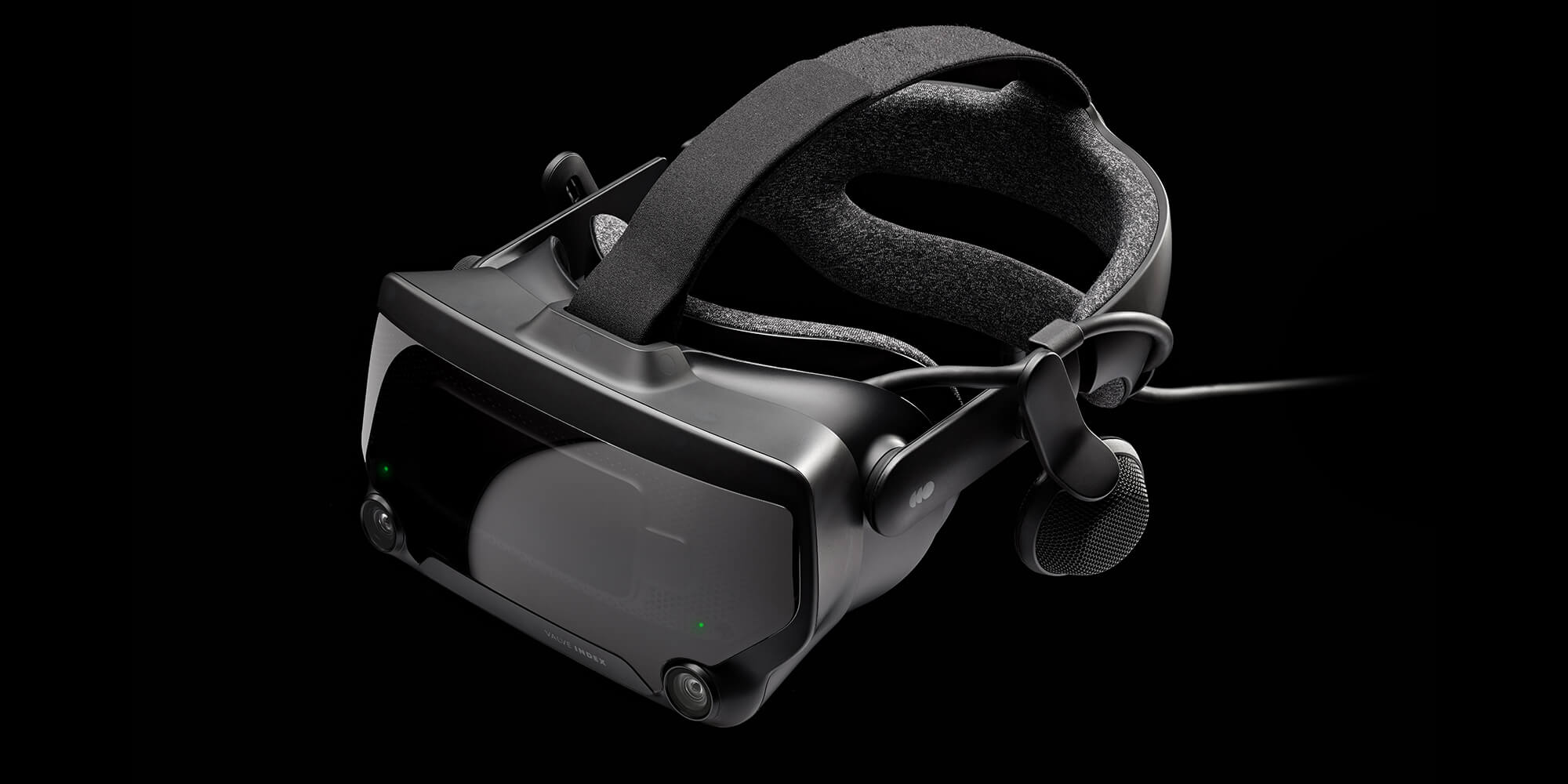
The Valve Index has been a staple in virtual reality since its release and remains a strong choice for sim racing thanks to its balance of refresh rate, tracking accuracy, and reliability. With a resolution of 1440 × 1600 per eye and a field of view of around 108 degrees, it cannot match the clarity or coverage of newer headsets like the Pimax Crystal series, but it still delivers a solid visual experience. Where the Index shines is in motion handling, with refresh rates up to 144 Hz that keep racing smooth and responsive.
Tracking is handled through Valve’s Lighthouse system, which remains one of the most precise solutions available. This external tracking method ensures accurate head positioning even during quick movements, something many sim racers value when competing in intense online races. While setup requires additional hardware compared to inside-out solutions, the result is excellent consistency and reliability.
Although the Index is now showing its age compared to more modern high-resolution headsets, it continues to be a dependable mid-range option for sim racing. For drivers who prioritize smooth motion and precise tracking over clarity, the Valve Index offers a proven and stable platform at a more approachable cost than flagship devices like the Pimax Crystal or Varjo VR-3.
Meta Quest 3S (Entry-Level Option)
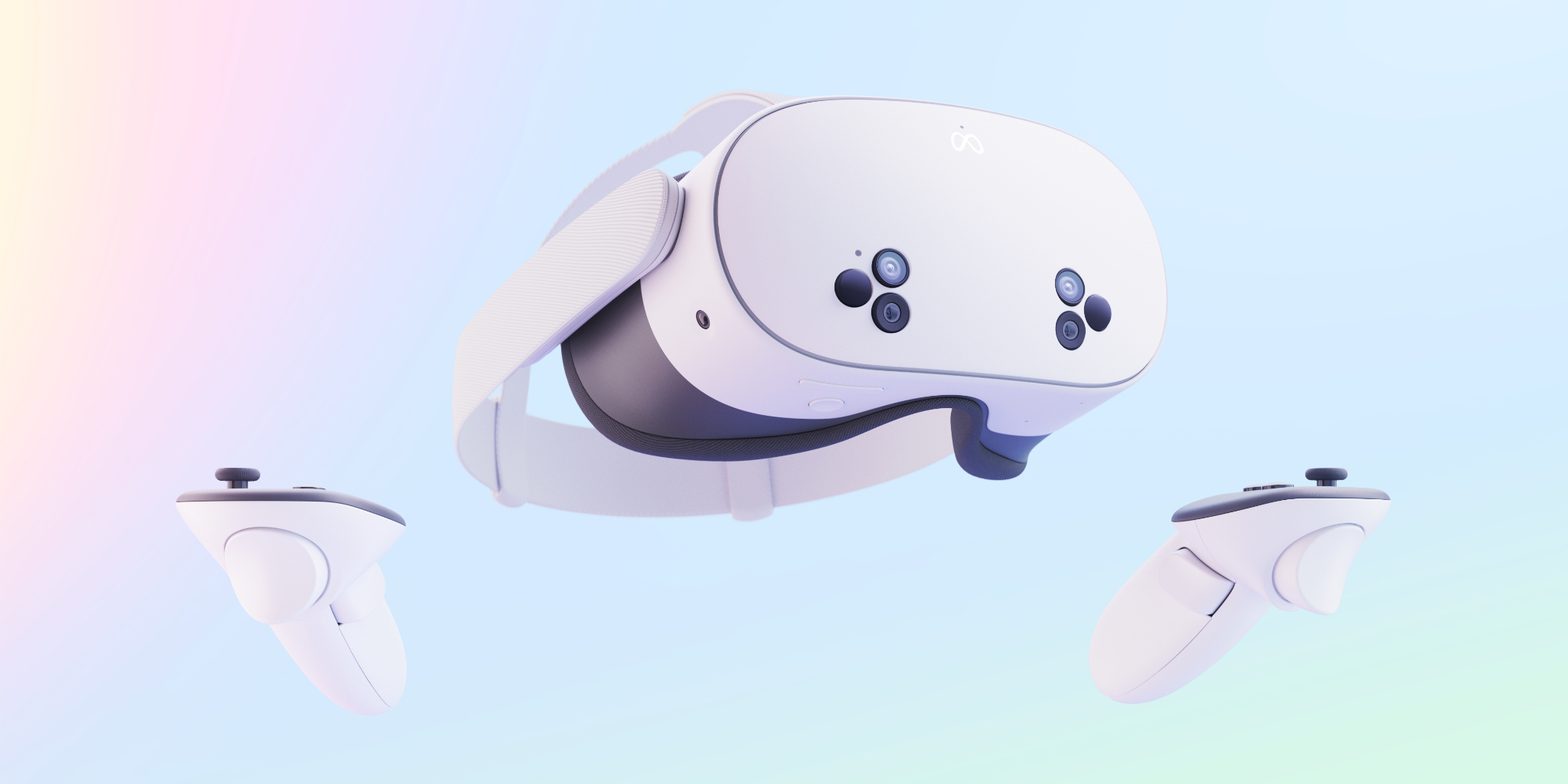
The Meta Quest 3S is the most budget-friendly option in this list, and an entry point into VR sim racing. Powered by the Snapdragon XR2 Gen 2, it delivers decent visual quality at a fraction of the cost of high-end headsets. While its resolution and optics fall short of devices like the Pimax Crystal or Varjo VR-3, it still provides a convincing VR experience that allows drivers to immerse themselves in a virtual cockpit without a major investment. With refresh rates up to 90 Hz and inside-out tracking that requires no external hardware, setup is quick and straightforward, though precision is more limited compared to Lighthouse systems.
The Quest 3S is also versatile, working as a standalone device or as a PCVR headset via Link cable or Air Link streaming. This flexibility makes it a great first step into VR for newcomers or casual racers. Although it cannot match the clarity, wide field of view, or performance required for competitive sim racing, it is a practical and affordable way to explore virtual reality before moving into more advanced headsets.
Conclusion and Key Takeaways
Each of the headsets in this list has its place, from the budget-friendly Meta Quest 3S to the professional-grade Varjo VR-3. The Valve Index remains a dependable mid-range option, while Pimax’s Crystal lineup pushes clarity and field of view to levels that feel purpose-built for sim racing enthusiasts.
For us at Apex Sim Racing, Pimax represents the best overall choice for sim racing with virtual reality headsets. The Crystal Light and Crystal Super combine sharp resolution, wide FOV, and strong performance in a way that suits both enthusiasts and competitive drivers. Whether you're new to VR or looking for a headset upgrade, choosing the right one boils down to how much clarity, performance, and immersion you're looking for.


Leave a comment